Pioneering
Creative
Excellence
smiedia.com


"Your personal brand is what people say about you when you're not in the room." — Jeff Bezos
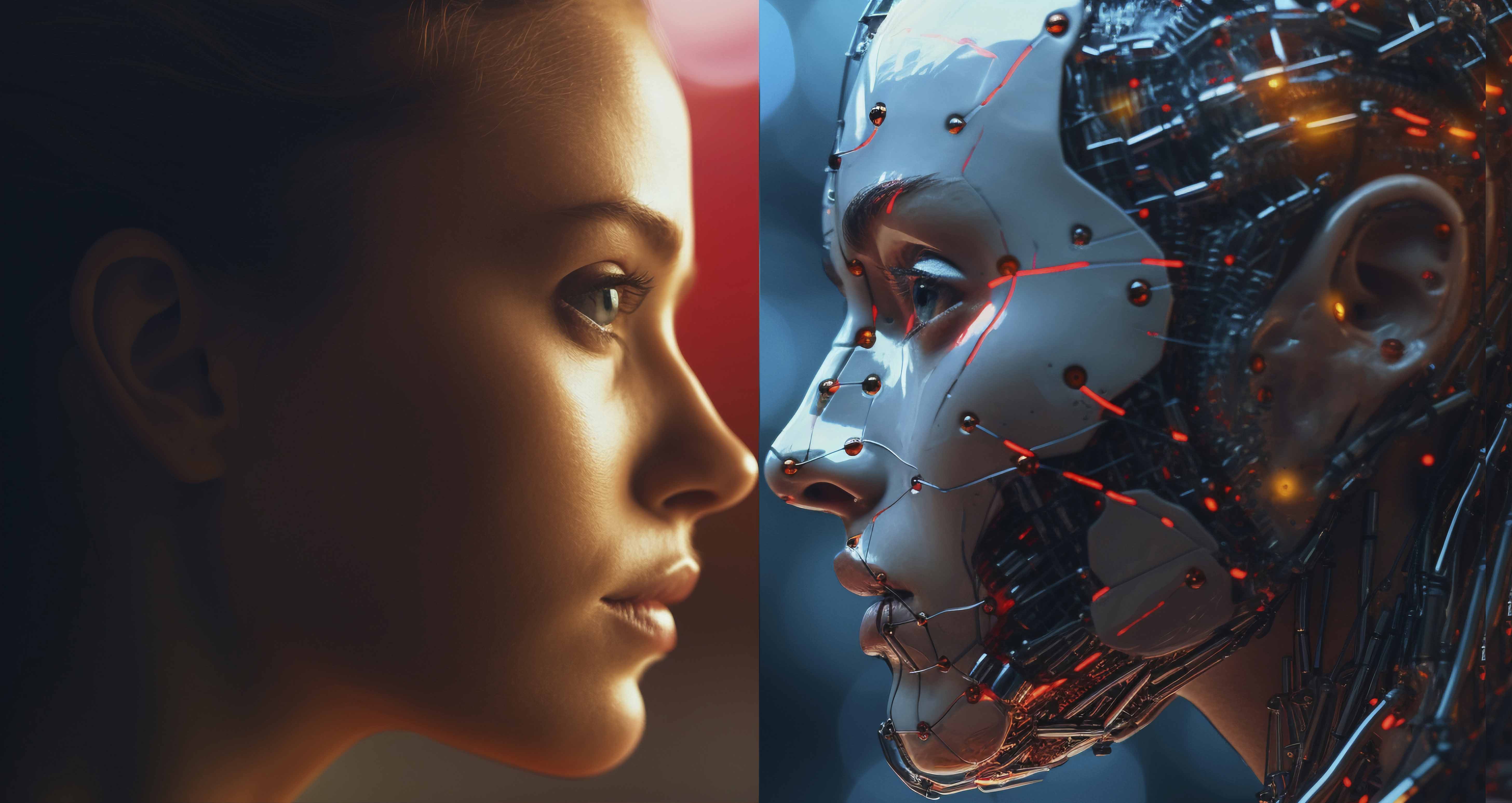
There is a version of you that can appear on camera at 3am, answer questions in five languages, deliver a perfectly scripted message without ever needing to be on set, and maintain your energy and presentation style indefinitely without fatigue. That version of you is an AI clone, and for personal brand creators, the conversation around whether to build one has moved from philosophical curiosity to genuine strategic decision in the space of about two years.
What an AI Clone Actually Is
An AI clone, in the context of personal brand creation, is a digital avatar trained on your likeness, voice, mannerisms, and communication style. Using tools like HeyGen, Synthesia, or more advanced custom solutions, creators can produce video content that features a version of themselves without being physically present for the recording. The avatar speaks with your voice, moves naturally, and delivers the content you have scripted. For some creators, this is already being used to produce course content, welcome videos, FAQ responses, and social media clips at a scale that would be physically impossible to record manually.
The Appeal for Personal Brand Creators
The most obvious benefit is scale. A creator with a substantial following who wants to produce daily content, localise it into multiple languages, and maintain a consistent on-camera presence across platforms is physically limited by time and energy. An AI clone can produce that volume of content without any of those constraints. For online educators, course creators, and coaches who need to deliver scripted information consistently, the efficiency gain is significant. It also opens up multilingual reach in a way that dubbing never quite achieved, because the avatar actually looks like you are speaking the language rather than being overdubbed.
The Trust Question
Here is where it gets complicated. Personal brands are built on connection, and connection depends on authenticity. When an audience follows a creator, they are investing in a relationship with that specific person. If a significant portion of the content they consume is generated by an AI version of that creator without their knowledge, there is a real question about whether that relationship is genuine. Some creators are being transparent about using AI avatars, which reframes the interaction as a production choice rather than a deception. That transparency tends to land better than the alternative. Audiences are more sophisticated about AI than many creators assume, and the trust damage from finding out later is harder to recover from than the awkwardness of disclosing upfront.
What to Think About Before You Build One
The first question is not can you but should you, and specifically, should you for this content type. An AI avatar delivering structured course content or answering common product questions is very different from an AI avatar hosting a live-style commentary or responding to current events. The former is a reasonable production efficiency. The latter starts to feel like the kind of manufactured authenticity that erodes brand trust over time. Think clearly about where your brand value actually lives. If it lives in your insight and ideas rather than your physical presence, an AI clone can scale the delivery of those ideas. If it lives in your energy, spontaneity, and real-time connection with your audience, no avatar will replicate that effectively.
"Authenticity is the alignment of head, mouth, heart, and feet — thinking, saying, feeling, and doing the same thing consistently." — Lance Secretan
AI clones are a real tool with real capability, and the personal brand creators who think carefully about how to use them will be better positioned than those who either adopt them without reflection or dismiss them entirely. The technology is not going away. The audience's need for genuine connection is not going away either. Finding a thoughtful path between those two realities is the creative challenge worth working on now.