Pioneering
Creative
Excellence
smiedia.com


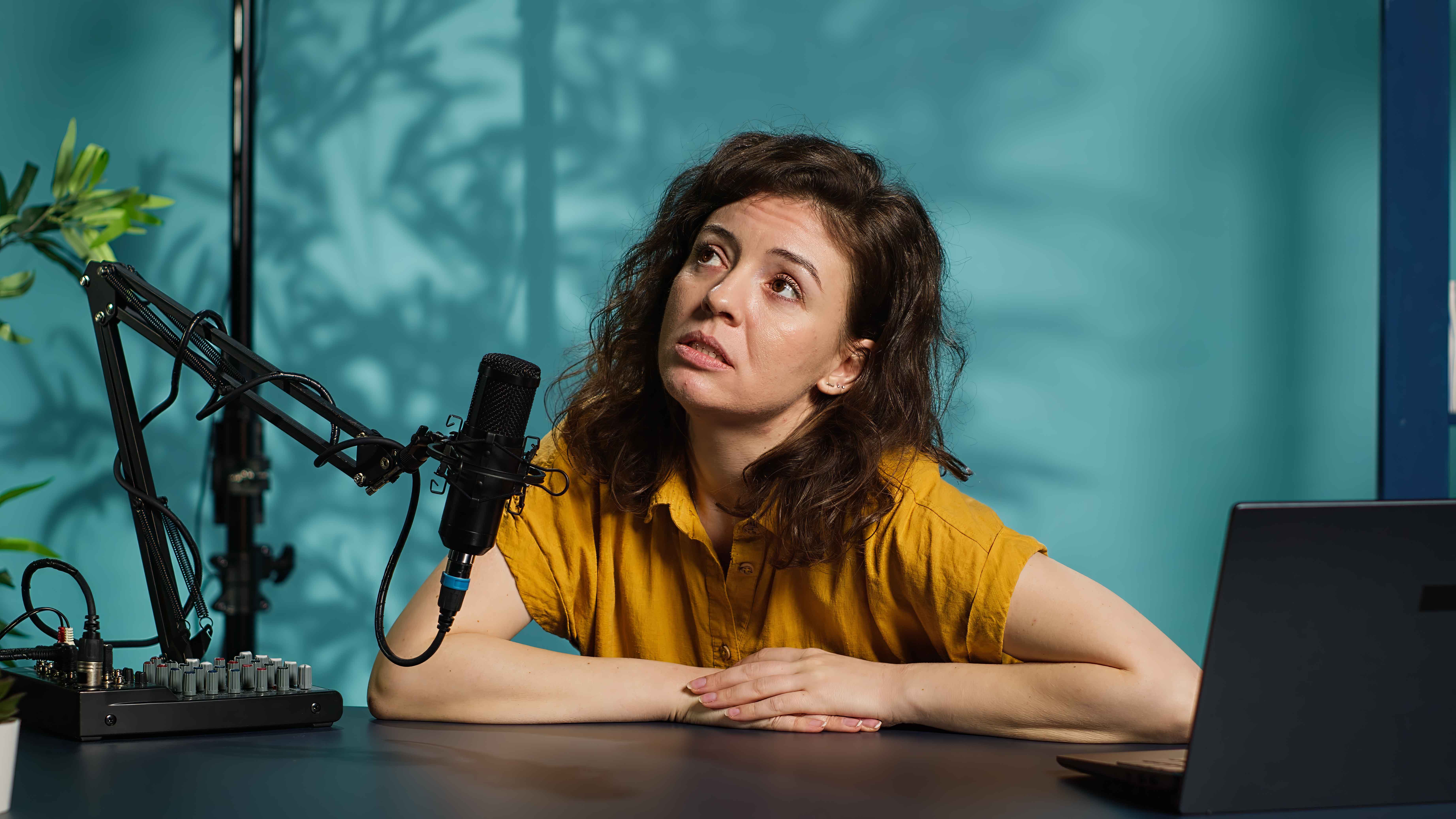
A few years ago, an AI-generated voice sounded exactly like what it was: robotic, flat, and unconvincing. Today, tools like ElevenLabs, Murf, and PlayHT can produce voices so natural that most listeners cannot tell the difference. For content creators, marketers, and video producers, this is genuinely exciting. For professional voice artists and audio performers, the conversation is a bit more complicated. This article does not take sides. It walks through what is actually happening, who is affected, and what smart creators should be doing right now.
"The human voice is the organ of the soul." — Henry Wadsworth Longfellow
How Good Have AI Voices Actually Gotten?
Very good. That is the honest answer. Tools like ElevenLabs can now clone a voice from a short audio sample and produce new speech that retains the original speaker's tone, pace, and emotional texture. You can adjust delivery, add pauses, change emphasis, and generate content in multiple languages — all from a single voice model. For explainer videos, e-learning content, product demos, and social media clips, the quality is now at a point where it is genuinely production-ready. The uncanny valley that made early AI voices obvious has largely been resolved for everyday listening contexts.
What This Means for Content Creators
If you produce video content regularly and you have been spending money on voiceover talent for scripts you could technically read yourself, AI voices have changed the economics significantly. You can produce polished audio narration in minutes rather than booking sessions, waiting for deliverables, and managing revision rounds. For brands that need consistent narration across dozens of assets, the efficiency gain is substantial. The creative control also increases because you can iterate quickly, test different tones, and adjust pacing without coordinating with another person's schedule.
What This Means for Voice Artists
The honest truth is that AI is already taking lower-end voiceover work. The kind of jobs that involve reading straightforward scripts without much emotional range are being replaced in certain markets. However, the demand for authentic human performance in advertising, character work, audiobooks, and brand storytelling has not disappeared. What is shifting is where the value sits. Voice artists who invest in their unique performance quality, emotional range, and the ability to interpret a brief creatively are not easily replaced. AI is excellent at consistency. It is still limited when genuine human nuance, spontaneity, and emotional depth are the actual deliverable.
The Ethical Questions Worth Asking
Voice cloning without consent is already a legal and ethical issue. Several jurisdictions are moving toward regulations that protect voice likenesses the way image likeness protections work. For brands and creators using AI voice tools, the key considerations are transparency with audiences when appropriate, ensuring you are using tools that ethically source their training data, and not cloning real people's voices without permission. These are not hypothetical concerns. They are live conversations happening in the industry right now, and the businesses that get ahead of them will be better positioned as regulation tightens.
"With great power comes great responsibility." — Voltaire (popularised by Stan Lee)
AI voiceovers are not a threat to creative people who understand what they are good for and what they are not. They are a powerful tool for scaling content production and reducing friction in workflows that do not require a human performance. The creators who will struggle are those who treat it as either a total replacement for human voice work or ignore it entirely. The smart move is somewhere in the middle: use it where it genuinely serves your work, and invest in the human qualities that AI still cannot replicate.